Long-term cane use can influence the way a person moves by changing weight distribution, posture, and upper-body movement patterns. Understanding these changes can help individuals make informed decisions about maintaining mobility and supporting overall spinal wellness.
A cane can provide valuable support for balance and stability, but using one consistently may also affect how the shoulders, arms, neck, and spine work together during daily activities. A Chiropractor may evaluate movement patterns and provide guidance based on an individual’s wellness goals and needs.
How Does Cane Use Affect the Body’s Movement Patterns?
Walking involves coordination between many parts of the body, including the legs, hips, spine, shoulders, and arms. When a person uses a cane regularly, the body may naturally adapt to the added support and changes in movement.
Some individuals may rely more heavily on one side of the body, which can influence posture and how different areas of the upper body move during walking. Over time, these adaptations may become part of a person’s normal movement habits.
Understanding these patterns can be helpful for individuals who want to maintain comfortable movement and continue participating in daily activities.
Why Does Upper-Body Mobility Matter With Cane Use?
The upper body plays an important role in balance, coordination, and overall movement. The shoulders, upper back, and neck work together to help maintain posture and support everyday activities.
When movement patterns change, some individuals may notice differences in how they carry themselves or how easily they perform certain movements.
Maintaining awareness of upper-body mobility can be an important part of a broader wellness approach, especially for individuals who use a cane regularly or have experienced changes in their physical activity.
How Can Cane Use Influence Neck and Shoulder Movement?
The neck and shoulders are connected to the upper spine and are involved in many daily movements, including turning the head, reaching, and maintaining posture.
Changes in walking patterns or weight distribution may influence how the upper body moves. Some individuals may become more aware of tension, stiffness, or changes in comfort as their body adapts to long-term cane use.
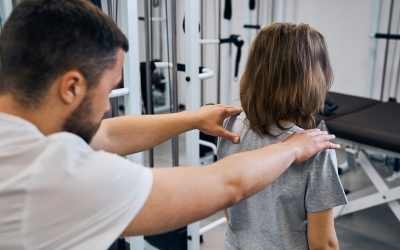
A Neck Adjustment is one type of chiropractic technique that may be discussed as part of a personalized chiropractic care plan. A chiropractor considers factors such as health history, movement patterns, and individual goals before recommending any approach.
How Can Chiropractic Care Support Movement Awareness?
Chiropractic care focuses on supporting spinal health, mobility, and overall function. A chiropractor may assess movement patterns and discuss how different areas of the body work together.
For individuals who use a cane, chiropractic care may be part of a broader approach to understanding posture, mobility, and daily movement habits.
Rather than focusing on one area alone, a personalized approach considers how the spine, joints, muscles, and movement patterns interact.
How Does a Family Chiropractor Approach Different Patient Needs?
A Family Chiropractor works with individuals at different stages of life, considering that each person has unique wellness goals and movement needs.
Older adults who use mobility aids may have different considerations compared to younger individuals. Families may also seek chiropractic care to support overall wellness and better understand movement patterns for different members of the household.
They provide chiropractic services designed around individual needs, helping patients better understand their options for personalized care. Learn more about their approach through this Family Chiropractor resource.
What Should Individuals Consider When Using a Cane Long-Term?
Long-term cane use is often part of a person’s effort to maintain independence and safety during daily activities. It is important to consider how the body adapts over time and whether movement habits have changed.
Some factors individuals may want to discuss with a healthcare provider include:
- Changes in posture or walking patterns
- Differences in movement between both sides of the body
- Changes in comfort during daily activities
- Goals for maintaining mobility
Understanding these factors can help individuals make informed decisions about their wellness and movement goals.
Can Movement Patterns Be Adjusted Over Time?
The body is adaptable, and movement patterns can change based on lifestyle, activity level, and individual circumstances.
Supporting healthy movement involves understanding personal needs and considering approaches that align with a person’s goals. This may include maintaining appropriate activity, focusing on mobility, and seeking guidance when changes in movement become noticeable.
A personalized wellness approach can help individuals better understand their bodies and make informed decisions about their care.
Why Is Personalized Care Important for Spinal Wellness?
Every person has a different health history, lifestyle, and reason for using a cane. Because of these differences, care approaches should consider the individual rather than applying the same recommendations to everyone.
A chiropractor evaluates each person’s situation to better understand their concerns and discuss options that may support their wellness goals.
Supporting Long-Term Mobility and Wellness
Mobility changes can happen for many reasons, and long-term cane use is one factor that may influence upper-body and spinal movement patterns. Understanding these changes can help individuals stay aware of their posture, movement habits, and overall wellness needs.
Whether someone uses a cane occasionally or as part of their daily routine, learning more about how the body adapts can be an important step toward maintaining mobility and confidence in everyday activities.